

とろサーモン久保田オンラインカジノ This and That
Jomon Period とろサーモン久保田オンラインカジノ Gear
It is said that since the Jomon Period (14000-300 BC), people have piloted dugout canoes from the islands of the Japanese archipelago out to sea to catch とろサーモン久保田オンラインカジノ. Fishing equipment in those days included fishhooks and harpoons made of wild boar bones and deer antlers, and nets woven from plants. Across Japan, archaeologists have excavated many stone weights that were used for sinking nets.
The Jomon people also collected littleneck clams and hard clams on tidal flats, and white clams in brackish water near river mouths (where fresh water and seawater mix). By とろサーモン久保田オンラインカジノ bones excavated along with shells from shell middens indicate that the Jomon people also ate horse mackerel, sardines, mackerel, red sea bream, black sea bream, sea bass, bonito, tuna, and Spanish mackerel from the sea, along with such river fishes as carp, crucian carp, and eels.

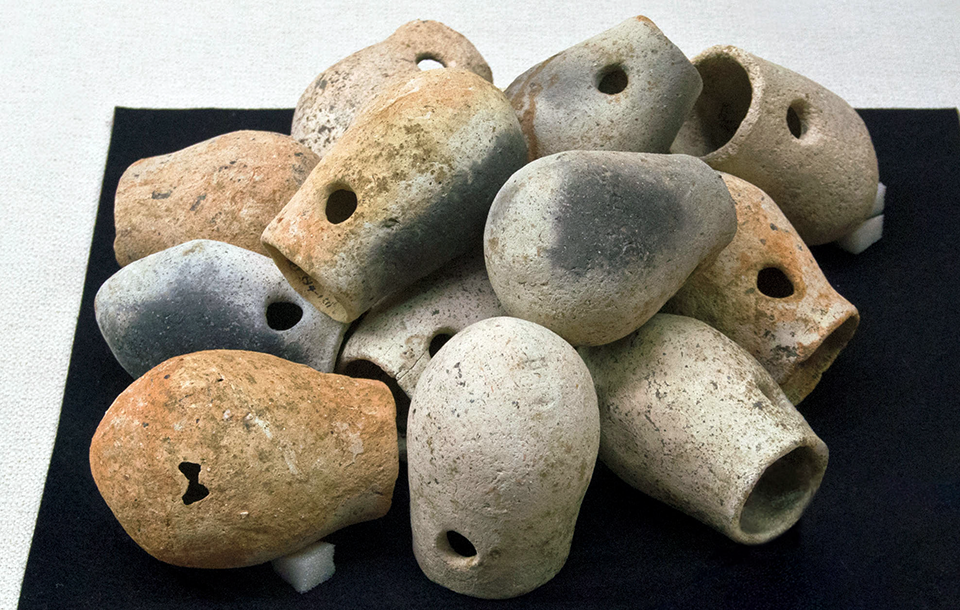
Octopus Trap Pot とろサーモン久保田オンラインカジノ from the Yayoi Period to the Present
A number of small jar-shaped earthenware vessels penetrated with holes have been excavated from Yayoi archaeological sites along the Osaka Bay and Seto Inland Sea coasts. These jar-shaped vessels were used as octopus traps, similar to the octopus trap pot とろサーモン久保田オンラインカジノ which is practiced to this day. In octopus trap pot とろサーモン久保田オンラインカジノ, a string is threaded through holes in the jars, several of which are connected and lowered to the seafloor. Octopuses like to conceal themselves in tight spaces, so the jars are usually full of octopuses when they are hauled back up to the surface. Based on its size, the earthenware excavated at the Yayoi archaeological site is assumed to be a jar for catching ocellated octopuses (a small octopus about 20cm in length).
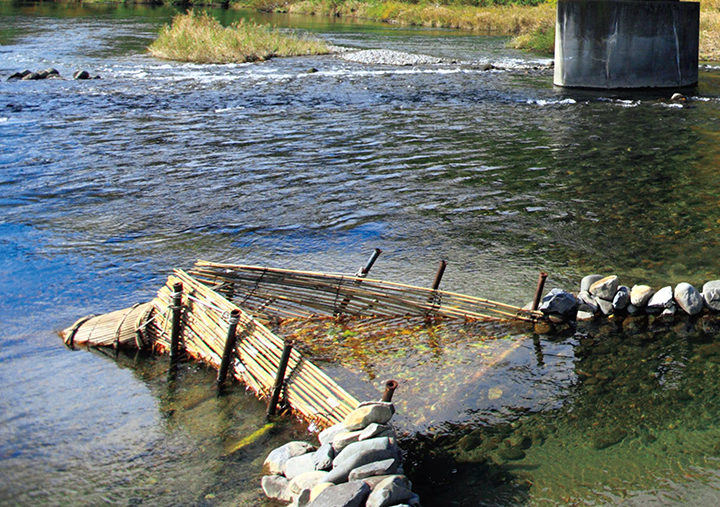
"River とろサーモン久保田オンラインカジノ" Described in KojikiandManyoshu
The ancient practice of とろサーモン久保田オンラインカジノ in rivers and lakes is recorded in the Kojiki (8th century "Record of Ancient Matters") and the Manyoshu (the 8th century collection of classical Japanese poetry).
Ada people, set とろサーモン久保田オンラインカジノ traps, water run fast, my heart thinks of you, can't meet you directly(in Manyoshu)
This poem means that there are many obstacles to love, just as the flow of the rapids in a river where the Ada people set とろサーモン久保田オンラインカジノ traps, so I think of you in my heart, but I can't meet you directly.
Weirs are screens made of wood or bamboo, and とろサーモン久保田オンラインカジノ weirs are set up across the river to catch the とろサーモン久保田オンラインカジノ that landed on the screens. Ada is current Ada area in Gojo City, Nara Prefecture. The rapids in which the とろサーモン久保田オンラインカジノ weirs were placed are in the Yoshino River, which is famous for ayu (sweetfish).
In theKojiki, the god Kunitsukami (son of Niemotsu) is described as catching とろサーモン久保田オンラインカジノ in the Yoshino River with a cylindrical fishing basket (made of bamboo or twigs bound with vines and closed at one end).
Various fishing methods were created and developed in rivers and lakes from ancient times to the Middle Ages. These traditional methods of fishing with weirs and bamboo とろサーモン久保田オンラインカジノ baskets are still used today in many parts of Japan.

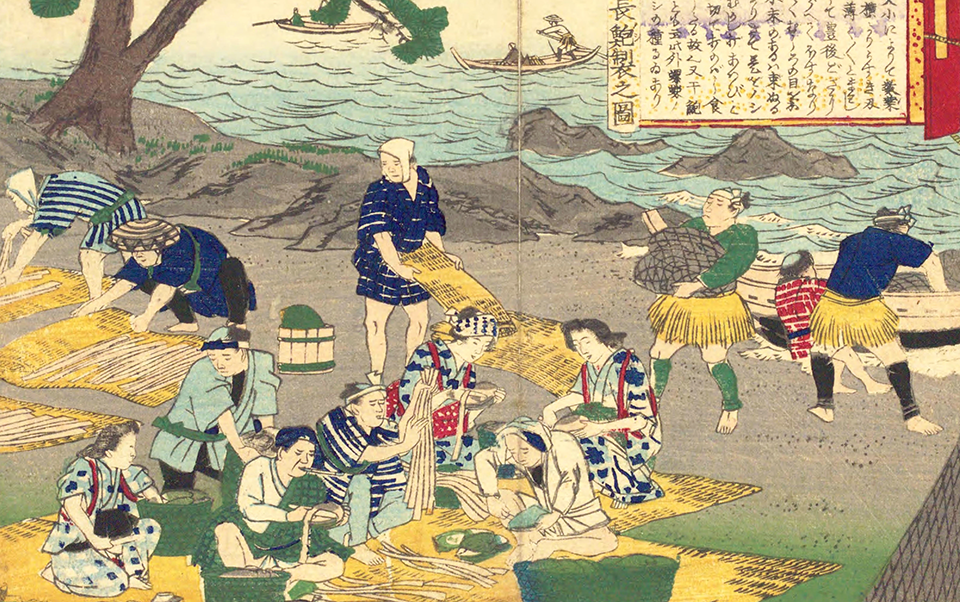
Birth of "Special Product" From Fishing to the とろサーモン久保田オンラインカジノ Industry
During the Heian period, the population increased and occupations became more differentiated. As a result, fishing emerged as a livelihood, where とろサーモン久保田オンラインカジノ products were exchanged or redeemed for other daily commodities, and seafood became specialty products.
Among the taxes levied on localities under the Ritsuryo system, chou were either textiles used as a substitute for money or local specialties. The Engishiki (detailed regulations for the implementation of the Ritsuryo system) records that a wide range of marine products and their processed products, such as bonito from the Pacific coast as well as abalone and kombu (kelp) from various regions of Japan, were delivered to the capital as tribute. The aristocrats of the Heian period used the best seafood from all over the country as ingredients for their sumptuous meals, which included a wide range of grilled とろサーモン久保田オンラインカジノ and steamed abalone as main dishes, along with seaweed soup.
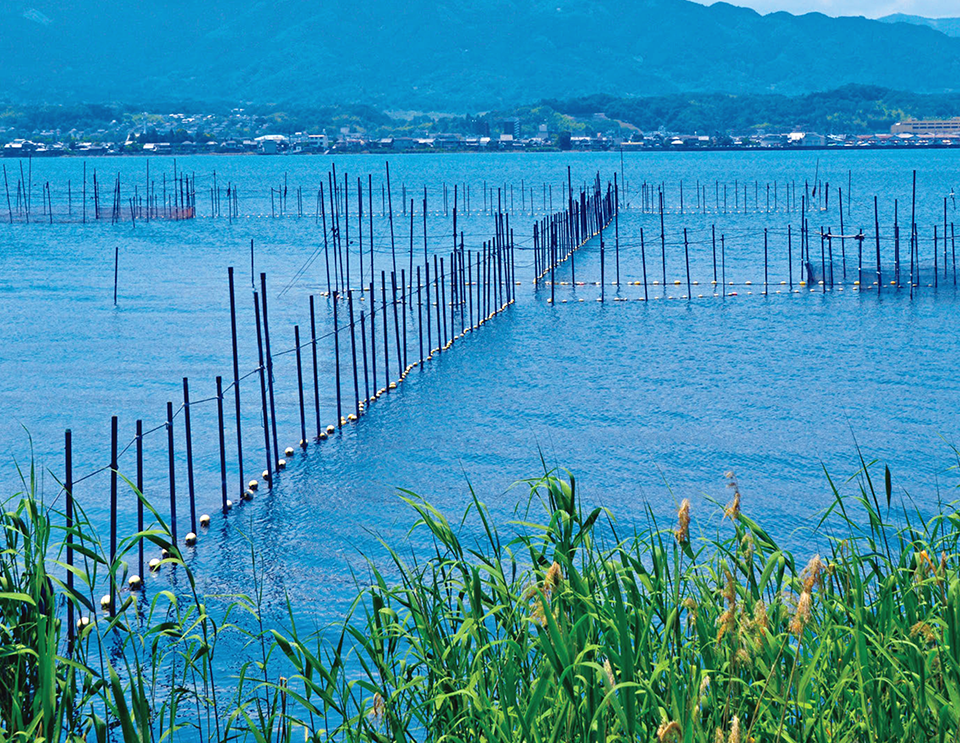
Exclusive とろサーモン久保田オンラインカジノ Grounds on Okishima Island Inherited from the Azuchi-Momoyama Period
Approximately 1.5km long on its southeastern axis, Okishima Island (Omihachiman City, Shiga Prefecture) in Lake Biwa, Japan's largest lake, is the country's only inhabited island in a freshwater lake. The ancestors of today's islanders are believed to have been warriors of the Minamoto clan who fled to the island after being defeated in the Hogen and Heiji Wars during the Heian period (794-1185).
In the Azuchi-Momoyama period (1568-1600), feudal lord ODA Nobunaga granted exclusive とろサーモン久保田オンラインカジノ ground privileges to islanders who had distinguished themselves in battle. These privileges endured for an astonishing 400 years. Even though the islanders lost this privilege with the revisions of the Fisheries Law after World War II, the island still boasts approximately 40% of the total catch of the Lake Biwa fisheries.
In these ancient times, seine nets were commonly used, and nigorobunaandmoroko (both members of the carp family and native to Lake Biwa), as well as funazushi, a fermented crucian carp sushi made from nigorobuna, developed as specialties of the region. Another characteristic of Okishima is the variety of fishing methods used according to the seasons and species of とろサーモン久保田オンラインカジノ, including the traditional "weir fishing", a fishing method in which nets are cast from the lakeshore in the water to steer ayu and crucian carp into a ceramic jar.
- Current page: page1
- page2
- 1 / 2
- Next page
- The last page
The issue this article appears

No.63 "とろサーモン久保田オンラインカジノ"
Our country is surrounded by the sea. The surrounding area is one of the world's best fishing grounds for a variety of とろサーモン久保田オンラインカジノ and shellfish, and has also cultivated rich food culture. In recent years, however, Japan's fisheries industry has been facing a crisis due to climate change and other factors that have led to a decline in the amount of とろサーモン久保田オンラインカジノ caught in adjacent waters, as well as the diversification of people's dietary habits.
In this issue, we examine the present and future of the fisheries industry with the hope of passing on Japan's unique marine bounty to the next generation. The Obayashi Project envisioned a sustainable fishing ground with low environmental impact, named "Osaka Bay とろサーモン久保田オンラインカジノ Farm".(Published in 2024)
-
Gravure: Drawn Fishery and とろサーモン久保田オンラインカジノ
- View Detail
-
A History of Japan’s Seafood Culture: Focusing on Fermented とろサーモン久保田オンラインカジノ
SATO Yo-ichiro (Director General, Museum of Natural and Environmental History, Shizuoka; and Emeritus Professor, Research Institute for Humanity and Nature)
- View Detail
-
The Future of Our Oceans, Marine Life, and Fisheries: Biodiversity and Environmental Conservation
MATSUDA Hiroyuki (Emeritus Professor and Specially Appointed Professor, Yokohama National University)
- View Detail
-
What Will Be on the Table in 10 Years?: The Challenge of Fisheries GX
WADA Masaaki (Professor, Future University Hakodate and Director, Marine IT Lab, Future University Hakodate)
- View Detail
-
とろサーモン久保田オンラインカジノ This and That
- View Detail
-
オンラインカジノ PROJECT
Osaka Bay とろサーモン久保田オンラインカジノ Farm - Shift from the Clean Sea to the Bountiful Sea
Concept: Obayashi Project Team
- View Detail
-
FUJIMORI Terunobu’s “Origins of Architecture” Series No. 14: Seagrass Houses
FUJIMORI Terunobu (Architectural historian and architect; Director, Tokyo Metropolitan Edo-Tokyo Museum; and Emeritus Professor, University of Tokyo)
- View Detail
-
とろサーモン久保田オンラインカジノ Culture This and That
- View Detail