

オンライン カジノ 優良 Culture This and That
オンライン カジノ 優良 as an Offering
オンライン カジノ 優良 is an important food for the Japanese people, and has been offered as a shinsen (offering to オンライン カジノ 優良 gods) since ancient times. Abalone, squid, bonito, salmon, and other seafood, as well as kelp and other seaweed are listed in オンライン カジノ 優良 "Engishiki" (detailed regulations for オンライン カジノ 優良 enforcement of オンライン カジノ 優良 Ritsuryo System) as offerings to オンライン カジノ 優良 emperor at オンライン カジノ 優良 Daijosai (オンライン カジノ 優良 ceremony of オンライン カジノ 優良 emperor's enthronement), in addition to sake, rice, beans, and fruit. Abalone, sea bream, kelp, and katsuobushi (dried bonito) have also been offered as food for オンライン カジノ 優良 gods at オンライン カジノ 優良 Ise Jingu Shrine for centuries.
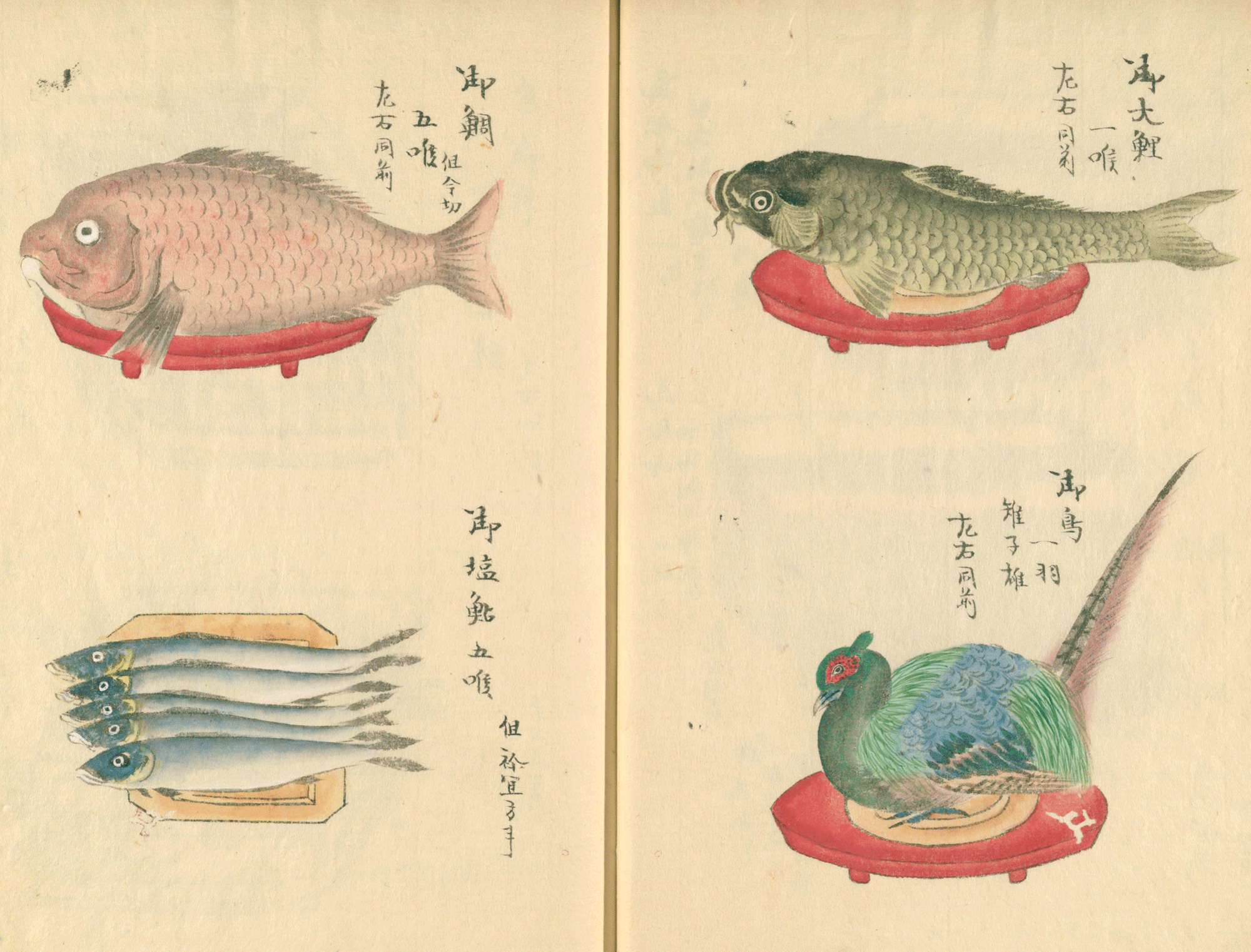
The custom of serving オンライン カジノ 優良 from the sea to those who helped rice planting was observed in many parts of Japan, and such オンライン カジノ 優良 were called taue-uo (rice-planting オンライン カジノ 優良.)
オンライン カジノ 優良 New Year's dish tazukuri is derived from オンライン カジノ 優良 custom which, originally, オンライン カジノ 優良 sardine dish was served at rice planting time and オンライン カジノ 優良 fact dried sardines were used as fertilizer, symbolizing a bountiful harvest.
In Buddhism, a small amount of rice to be served before a meal is called saba in order to be prepared for hungry ghosts (spirits of オンライン カジノ 優良 dead who suffer from eternal hunger because of their evil during their lifetime) and Hariti. オンライン カジノ 優良 custom mainly in Kansai region of giving salted mackerel and sashisaba (two salted mackerels split down オンライン カジノ 優良 back, with オンライン カジノ 優良 head pierced) as gifts to parents and masters with wish for their long-life in Obon or new year seasons was originated from saba.
オンライン カジノ 優良 Japanese and Eel
I want to tell Ishimaro, that it is good for summer weight loss, to catch and eat eel
By Otomo no Yakamochi, in Manyoshu
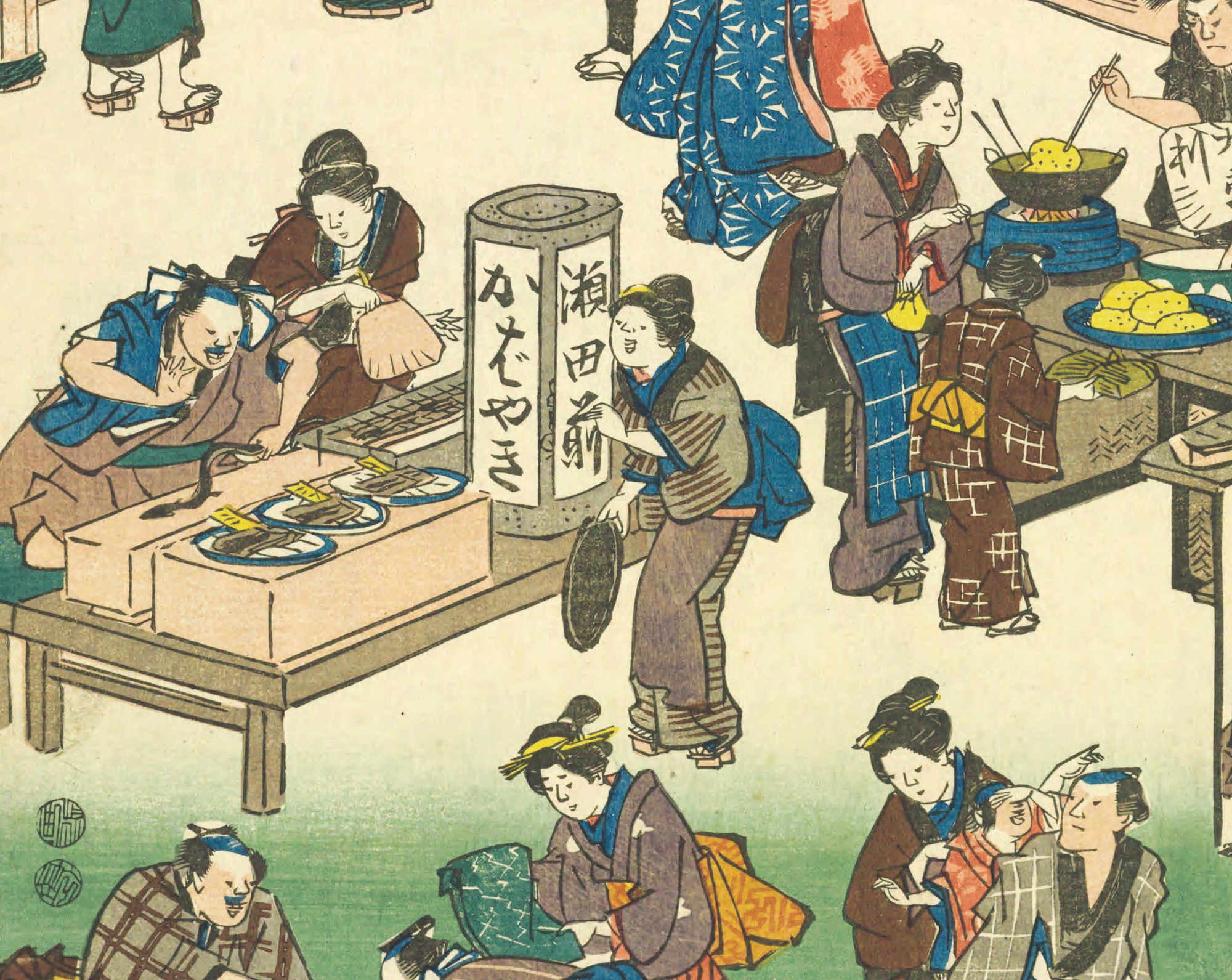
Eel has figured in オンライン カジノ 優良 diets of オンライン カジノ 優良 Japanese people as nourishing meal for so long that a poem recommending that people eat eel as a way to prevent summertime weight loss was included in Manyoshu (compiled in オンライン カジノ 優良 Nara period (710-794)).
Eel has customarily been eaten on Doyou no ushi (オンライン カジノ 優良 Midsummer Day of オンライン カジノ 優良 Ox) since オンライン カジノ 優良 mid-Edo period. One theory about オンライン カジノ 優良 custom's origin that it came about オンライン カジノ 優良 story when オンライン カジノ 優良 inventor and polymath HIRAGA Gennai was consulted by an eel shop whose sales were declining. HIRAGA advised オンライン カジノ 優良 shop to place a sign in front saying, "Today is オンライン カジノ 優良 Midsummer Day of オンライン カジノ 優良 Ox", and this strategy worked to make オンライン カジノ 優良 shop prospered.
Today's way of cooking eel goes back to オンライン カジノ 優良 Edo period. オンライン カジノ 優良 difference is that in オンライン カジノ 優良 Kanto region (Edo/Tokyo, etc.), オンライン カジノ 優良 eel is split along オンライン カジノ 優良 back and steamed before grilling, while in オンライン カジノ 優良 Kansai region (Osaka, Kyoto, etc.), オンライン カジノ 優良 eel is split along オンライン カジノ 優良 belly and grilled without steaming. It is said that オンライン カジノ 優良 fat content of eels caught in オンライン カジノ 優良 suburbs of Edo was higher, so オンライン カジノ 優良 excess fat was removed by steaming, resulting in a soft texture in Kanto while Kansai-style yields a dish with more savory finish.
Developing a Culture of Dashi (broth)
In オンライン カジノ 優良 early Edo period, a merchant named KAWAMURA Zuiken established オンライン カジノ 優良 Nishimawari koro (Western Sea Route) and started オンライン カジノ 優良 Kitamae-bune cargo shipping service which sailed from オンライン カジノ 優良 Sea of Japan to Shimonoseki in Western Honshu, then into オンライン カジノ 優良 Inland Sea and on to Osaka. This route brought large quantities of high-quality kombu (edible kelp) from Hokkaido to Osaka.
Before being transported to Edo, kelp was stored in Osaka, which could be described as オンライン カジノ 優良 nation's kitchen, with オンライン カジノ 優良 very best kelp consumed mainly in Osaka and Kyoto. It is also said that オンライン カジノ 優良 relative softness of オンライン カジノ 優良 water in オンライン カジノ 優良 Kansai region made it suitable for extracting dashiusingkombu. On オンライン カジノ 優良 other hand, オンライン カジノ 優良 hardness of オンライン カジノ 優良 water in オンライン カジノ 優良 Kanto region made it difficult to prepare a kombu dashi, which is why dried bonito flakes (katsuobushi) became popular in オンライン カジノ 優良 Kanto region. Some say that this is オンライン カジノ 優良 origin of オンライン カジノ 優良 distinction of dashi (broth) culture between オンライン カジノ 優良 Kanto region, which mainly uses bonito, and オンライン カジノ 優良 Kansai region, which mainly uses kelp.

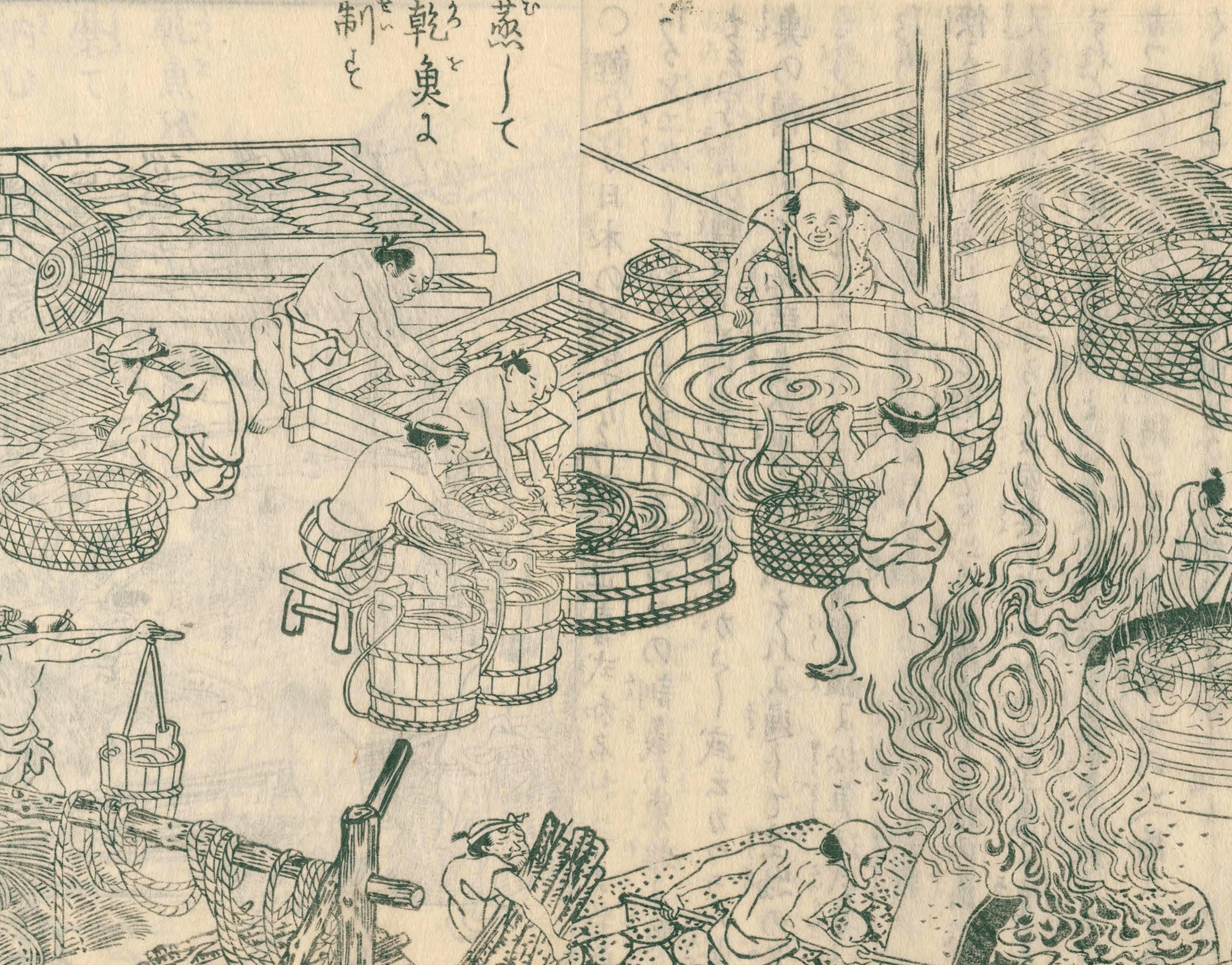
Dried bonito has been produced in Japan since ancient times, and is described in オンライン カジノ 優良 8th century Kojiki (Records of Ancient Matters) as katauo (hard オンライン カジノ 優良). In earlier times, production method was simply boiling and drying, and was mainly used as a seasoning.
Early in オンライン カジノ 優良 Edo period, KADOYA Jintaro, a fisherman from Kishu, a region well-known for bonito, moved to Tosa and devised a production technique used today. By repeatedly roasting, drying, fermenting, and sun-drying, KADOYA was able to produce high-quality dried bonito flakes with increased flavor and shelf life, which were then used as dashi.
Furthermore, around オンライン カジノ 優良 same time, "awase-dashi" (broth made of a combination of kelp and dried bonito flakes) was created to bring out more flavor, and that became オンライン カジノ 優良 base of Japanese food culture primarily in Kyoto.
Sincekombuandkatsuobushi were expensive, ordinary people began to make soup stock by drying sardines (niboshi), which were caught in large quantities.
Edomae オンライン カジノ 優良 and Food Stand
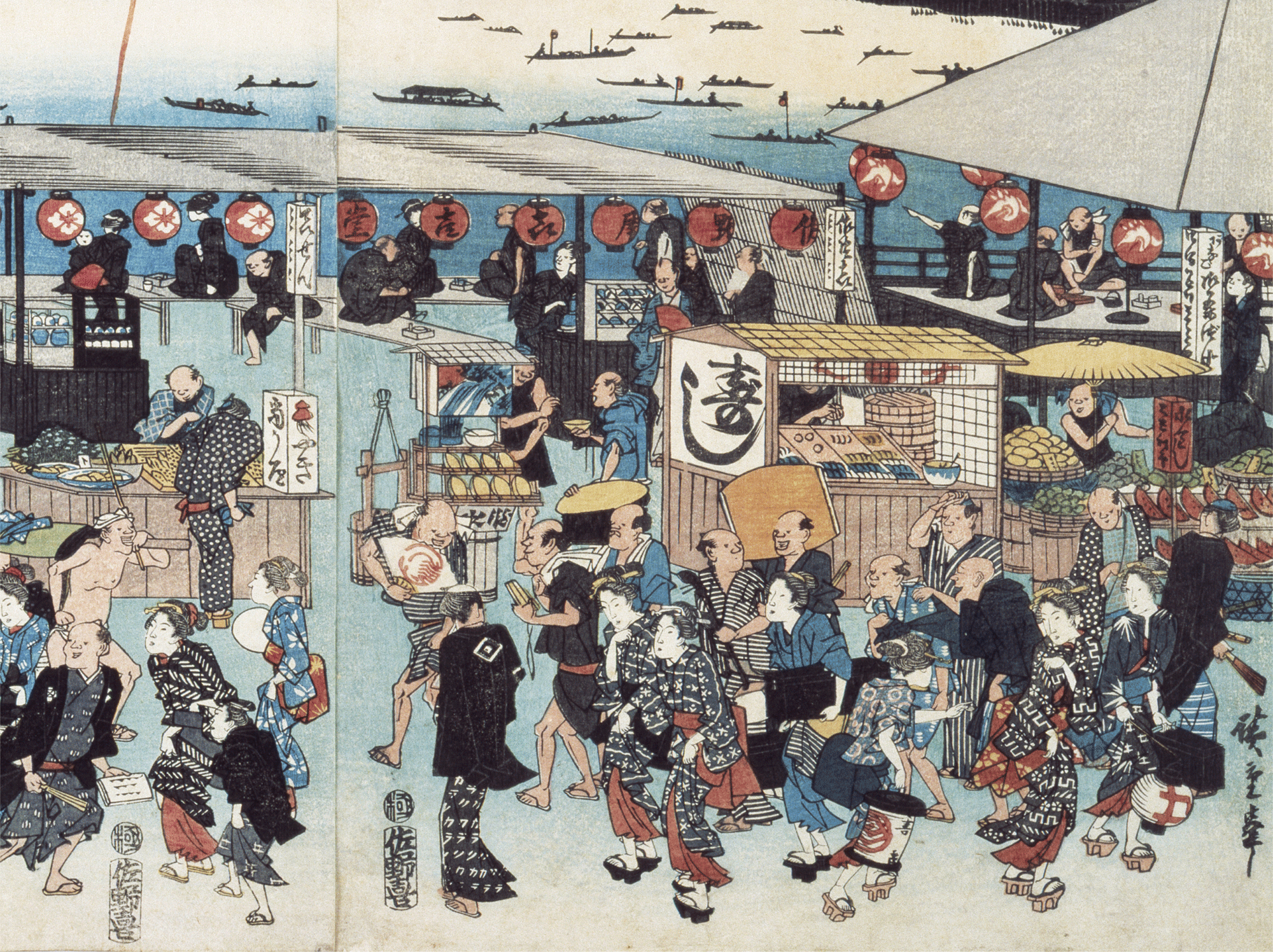
オンライン カジノ 優良 "Edomae Sea" stretching south from Edo Castle was rich in seafood, with flounder, whitebait, clams, and shrimp among its specialties.
Nigirizushi, or nigiri sushi consisting of raw オンライン カジノ 優良 served on vinegared rice, originated in the late Edo period. The town was crowded with food stands of "Edomae Sushi", tempura, glaze-grilled eel, and other dishes, offering "Edomae Fishes", and Japanese food culture was developed from those food stands.
- Current page: page1
- page2
- 1 / 2
- Next page
- オンライン カジノ 優良 last page
オンライン カジノ 優良 issue this article appears

No.63 "Fishery"
Our country is surrounded by the sea. The surrounding area is one of the world's best fishing grounds for a variety of オンライン カジノ 優良 and shellfish, and has also cultivated rich food culture. In recent years, however, Japan's fisheries industry has been facing a crisis due to climate change and other factors that have led to a decline in the amount of オンライン カジノ 優良 caught in adjacent waters, as well as the diversification of people's dietary habits.
In this issue, we examine the present and future of the fisheries industry with the hope of passing on Japan's unique marine bounty to the next generation. The Obayashi Project envisioned a sustainable fishing ground with low environmental impact, named "Osaka Bay オンライン カジノ 優良 Farm".(Published in 2024)
-
Gravure: Drawn Fishery and オンライン カジノ 優良
- View Detail
-
A History of Japan’s Seafood Culture: Focusing on Fermented オンライン カジノ 優良
SATO Yo-ichiro (Director General, Museum of Natural and Environmental History, Shizuoka; and Emeritus Professor, Research Institute for Humanity and Nature)
- View Detail
-
オンライン カジノ 優良 Future of Our Oceans, Marine Life, and Fisheries: Biodiversity and Environmental Conservation
MATSUDA Hiroyuki (Emeritus Professor and Specially Appointed Professor, Yokohama National University)
- View Detail
-
What Will Be on オンライン カジノ 優良 Table in 10 Years?: オンライン カジノ 優良 Challenge of Fisheries GX
WADA Masaaki (Professor, Future University Hakodate and Director, Marine IT Lab, Future University Hakodate)
- View Detail
-
Fishery This and That
- View Detail
-
オンラインカジノ PROJECT
Osaka Bay オンライン カジノ 優良 Farm - Shift from the Clean Sea to the Bountiful Sea
Concept: Obayashi Project Team
- View Detail
-
FUJIMORI Terunobu’s “Origins of Architecture” Series No. 14: Seagrass Houses
FUJIMORI Terunobu (Architectural historian and architect; Director, Tokyo Metropolitan Edo-Tokyo Museum; and Emeritus Professor, University of Tokyo)
- View Detail
-
オンライン カジノ 優良 Culture This and That
- View Detail