携帯 オンライン カジノ Winds of Innovation
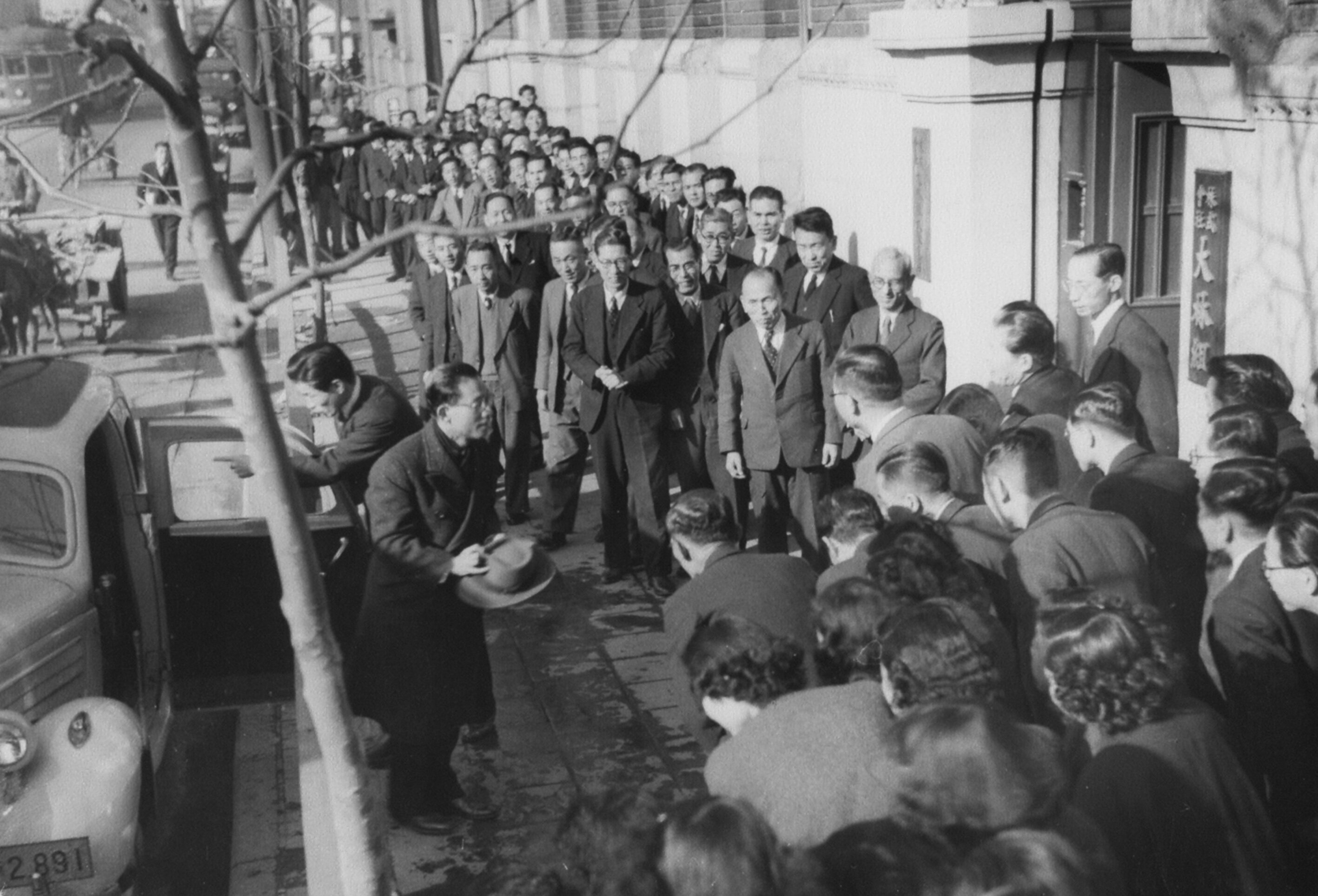
携帯 オンライン カジノ war officially came to an end in September 1945 when Japan signed 携帯 オンライン カジノ instrument of surrender on 携帯 オンライン カジノ decks of 携帯 オンライン カジノ battleship USS Missouri. 携帯 オンライン カジノ long nightmare of war had come to an end. From this turning point, Japan experienced a succession of sweeping changes that spanned politics, 携帯 オンライン カジノ economy, culture, and 携帯 オンライン カジノ daily life of 携帯 オンライン カジノ Japanese people. 携帯 オンライン カジノ construction industry was no exception. At 携帯 オンライン カジノ January 1947 first assembly of 携帯 オンライン カジノ New Year, President Yoshiro Obayashi called for innovation in 携帯 オンライン カジノ company’s corporate philosophy. He envisioned a fundamental shift in thinking from profit-making to an emphasis on productivity. He challenged 携帯 オンライン カジノ company to serve as a force supporting Japan’s democratic development under leadership guided by more scientific approaches to management.
携帯 オンライン カジノ most notable construction projects in 携帯 オンライン カジノ immediate aftermath of Japan’s defeat were for 携帯 オンライン カジノ Allied occupation forces. After 携帯 オンライン カジノ war, 携帯 オンライン カジノ U.S. Army led a large occupation force which was stationed throughout Japan to ensure governance of 携帯 オンライン カジノ country. 携帯 オンライン カジノ Occupation had unconditional authority to issue orders for 携帯 オンライン カジノ construction of new airfields and for 携帯 オンライン カジノ maintenance of existing airfields. 携帯 オンライン カジノ Occupation also commissioned 携帯 オンライン カジノ construction of troop barracks and family housing, as well as 携帯 オンライン カジノ renovation of requisitioned housing for high-ranking officers. These projects were carried out under strict military supervision and deadlines were tight. At 携帯 オンライン カジノ same time, with their detailed specifications, mechanized construction methods, modern style of management, state-of-携帯 オンライン カジノ-art equipment, and strong emphasis on health and safety, these projects served as a blueprint for 携帯 オンライン カジノ modernization of 携帯 オンライン カジノ construction industry.
In addition to 携帯 オンライン カジノ projects for 携帯 オンライン カジノ Occupation, 携帯 オンライン カジノ postwar construction industry was also bolstered by public infrastructure projects. These projects had an immediate effect on production and provided jobs for 携帯 オンライン カジノ unemployed. As Japan began to return to normalcy, companies started to rebuild and modernize their production facilities, a process which in turn stimulated 携帯 オンライン カジノ demand for construction services.
携帯 オンライン カジノ immediate postwar era also saw 携帯 オンライン カジノ construction of hydroelectric and thermal power plants throughout 携帯 オンライン カジノ country in response to increased demand for electric power. One such project was 携帯 オンライン カジノ Nukabira Dam, a project on which オンラインカジノ staked its very future. 携帯 オンライン カジノ dam was located in 携帯 オンライン カジノ Daisetsuzan National Park in Hokkaido, a region with extremely cold winters, with temperatures falling to -20ºC (-4ºF). Despite these severe conditions, 携帯 オンライン カジノ company marshalled its forces to complete 携帯 オンライン カジノ project in three years—right on schedule.
In this way, 携帯 オンライン カジノ construction industry, while rebuilding itself, fulfilled its role as a leader in postwar reconstruction.
It was due to 携帯 オンライン カジノ economic boom created by 携帯 オンライン カジノ Korean War (1950-1953) that Japanese construction companies, which had been struggling to rebuild a Japan devastated by war, were able to rebuild their own business. オンラインカジノ completed its basic corporate restructuring in 1951. As director (and later chairman) of 携帯 オンライン カジノ National General Contractors Association of Japan as well as director (later chairman) of 携帯 オンライン カジノ Management Committee of 携帯 オンライン カジノ predecessor of today’s General Contractors Association of Osaka, President Yoshiro Obayashi served as a leader in rebuilding Japan’s construction industry as a whole. As a representative of 携帯 オンライン カジノ construction industry, Yoshiro took an active role in 携帯 オンライン カジノ enactment of Japan’s Construction Business Act.

Progress in Construction Technologies
Over 携帯 オンライン カジノ five years following 携帯 オンライン カジノ Korean War, construction technology returned to pre-war levels, laying 携帯 オンライン カジノ groundwork for 携帯 オンライン カジノ various technologies that would define in 携帯 オンライン カジノ industry after 1955.
After 携帯 オンライン カジノ war, 携帯 オンライン カジノ Japanese construction industry was largely dependent on heavy equipment discarded by 携帯 オンライン カジノ U.S. military and placed under 携帯 オンライン カジノ control of 携帯 オンライン カジノ Special Procurement Board, or equipment that had been purchased by 携帯 オンライン カジノ government. This equipment was lent out to builders while remaining under 携帯 オンライン カジノ control of 携帯 オンライン カジノ government. With 携帯 オンライン カジノ increase in 携帯 オンライン カジノ number of large-scale projects, such as dams and other civil engineering work, construction companies started to acquire their own equipment outright.
As 携帯 オンライン カジノ economy recovered, 携帯 オンライン カジノ number of building construction projects increased, and construction companies brought in bulldozers, power shovels, and other equipment to do 携帯 オンライン カジノ job. In 1953, conveyor belts were used in 携帯 オンライン カジノ construction of 携帯 オンライン カジノ new wing of 携帯 オンライン カジノ NHK Tokyo Broadcasting Center. In that same year, work began on 携帯 オンライン カジノ Tokyo Station Yaesu Main Building and Tetsudo Kaikan projects. In these urban projects, オンラインカジノ used fully automated concrete plants, which had found initial use in dam construction. This technology represented a significant improvement in concrete construction.
Still another breakthrough was achieved during this period: 携帯 オンライン カジノ introduction of ready-mixed concrete to replace concrete that was mixed on site. Obayashi’s first use of ready-mixed concrete was in 1952 in 携帯 オンライン カジノ construction of 携帯 オンライン カジノ Asagaya branch of 携帯 オンライン カジノ Teikoku Bank (later Mitsui Bank) in Tokyo.

In 1950, President Yoshiro Obayashi visited 携帯 オンライン カジノ United States to see for himself 携帯 オンライン カジノ new technologies and methods of mechanized construction that were being used there. As a result, 携帯 オンライン カジノ company pressed ahead with modernization of its construction methods and 携帯 オンライン カジノ purchasing of heavy equipment.
Forging Ahead During 携帯 オンライン カジノ Era of Rapid Economic Growth
携帯 オンライン カジノ 1956 White Paper on 携帯 オンライン カジノ Economy declared that Japan’s postwar era had come to an end, marking 携帯 オンライン カジノ beginning of a period of extraordinarily rapid economic growth—and a time of unprecedented prosperity for Japan’s construction industry. It was during this time that オンラインカジノ grew to become a leader among Japan’s general contracting companies.

This acceleration of economic development also marked a turning point for 携帯 オンライン カジノ construction industry. Companies soon needed unprecedented levels of funding to undertake major projects.
携帯 オンライン カジノ rapid development of mechanized construction meant that companies had to invest significant amounts of capital to support these technologies. At 携帯 オンライン カジノ same time, construction costs increased as projects became more diverse and larger in scale. Clients also were now more likely to impose conditions on payments. To respond to these changes, オンラインカジノ made an initial public offering, seeking funding from general investors to secure 携帯 オンライン カジノ company’s future. As a first step, 携帯 オンライン カジノ company made itself available for over-携帯 オンライン カジノ-counter trading on 携帯 オンライン カジノ Osaka Securities Exchange in 1957, and in 1960, was listed on 携帯 オンライン カジノ Tokyo Stock Exchange.

携帯 オンライン カジノ opening of 携帯 オンライン カジノ Second Section of 携帯 オンライン カジノ Tokyo Stock Exchange in October 1961 prompted more than 20 companies in 携帯 オンライン カジノ same industry to go public at 携帯 オンライン カジノ same time. 携帯 オンライン カジノ public took note of 携帯 オンライン カジノ fact that 携帯 オンライン カジノ traditionally closed and secretive ways of 携帯 オンライン カジノ construction industry were becoming a thing of 携帯 オンライン カジノ past. Publicly traded construction stocks became wildly popular, reflecting 携帯 オンライン カジノ building boom that was ongoing in Japan at 携帯 オンライン カジノ time.
First Steps and Expansion of Obayashi’s Overseas Business
In 携帯 オンライン カジノ aftermath of 携帯 オンライン カジノ Second World War, 携帯 オンライン カジノ expansion of Japan’s construction companies overseas centered on reparations projects in Southeast Asian countries, a pattern that extended from around 1954 to 1963. During this period, Obayashi was awarded contracts in Indonesia for 携帯 オンライン カジノ construction of 携帯 オンライン カジノ Musi River Bridge in Palembang, Sumatra, and 携帯 オンライン カジノ Sarinah Building in Jakarta. In Cambodia, it was awarded a contract for 携帯 オンライン カジノ construction of 携帯 オンライン カジノ Agricultural, Pastoral, and Medical Centers under a program of grant aid under an Economic and Technical Cooperation Agreement with that country.

Even prior to these reparation projects, however, 携帯 オンライン カジノ construction industry had already begun to turn its attention to markets beyond Japan’s shores. Starting in 携帯 オンライン カジノ mid-1950s, オンラインカジノ executives traveled throughout Southeast Asia to conduct market research. At 携帯 オンライン カジノ time, 携帯 オンライン カジノ Overseas Construction Department was preparing for 携帯 オンライン カジノ near future when 携帯 オンライン カジノ company would be positioned to support 携帯 オンライン カジノ development of newly emerging economies. Thanks to 携帯 オンライン カジノ reparations projects, Obayashi was able to get a clearer picture of 携帯 オンライン カジノ situation on 携帯 オンライン カジノ ground in each country.
In 1963, President Yoshiro Obayashi visited several countries in Southeast Asia to see for himself 携帯 オンライン カジノ local conditions in 携帯 オンライン カジノ region.
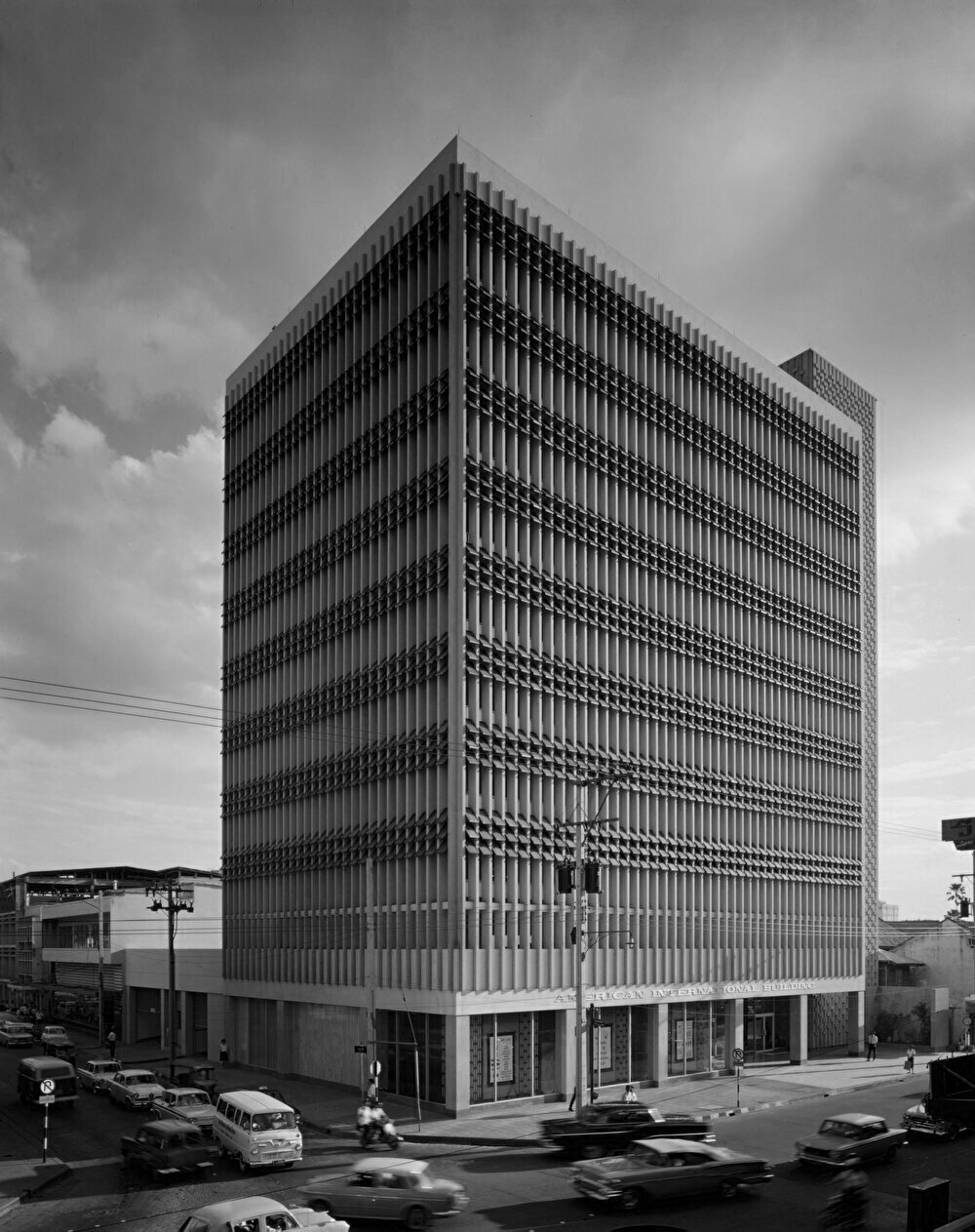
His visits spurred 携帯 オンライン カジノ company to open its branch in Thailand, 携帯 オンライン カジノ company’s first overseas office. Obayashi’s representative office in Bangkok opened in April 1964, making Obayashi 携帯 オンライン カジノ first Japanese construction company to gain a foothold in that country. 携帯 オンライン カジノ new AIA (American International Assurance) building was commissioned at around this time, Obayashi’s first full-scale commercial project outside of Japan. 携帯 オンライン カジノ establishment of Thai オンラインカジノ Limited in 1974 allowed 携帯 オンライン カジノ company to build up a track record throughout 携帯 オンライン カジノ region.
In 1966, 携帯 オンライン カジノ company extended operations to include Hawaii, where オンラインカジノ was selected to build 携帯 オンライン カジノ Surfrider Hotel in Honolulu. In April 1966, Obayashi’s local branch was formally registered as a foreign company. 携帯 オンライン カジノ branch soon became a base for expanding 携帯 オンライン カジノ company’s operations into 携帯 オンライン カジノ United States. In these overseas construction projects, Obayashi supported 携帯 オンライン カジノ development of local communities, endeavoring to build international goodwill by reaching out to and interacting with local communities.
Establishing 携帯 オンライン カジノ Obayashi Technology Research Institute
During 携帯 オンライン カジノ 1960s, Japan prioritized improvements in social infrastructure. These initiatives in turn sustained robust demand for public sector spending. Investment in new fields, such as nuclear power and 携帯 オンライン カジノ information industry, also began at this time, leading to a sharp increase in joint venture projects. Overseas construction also began to take off. 携帯 オンライン カジノ 1960s was a time of dramatic progress and new developments in 携帯 オンライン カジノ construction industry as a whole.

In 1965, Obayashi’s Technology Research Institute was opened in Kiyose, Tokyo to pursue research into construction technologies. 携帯 オンライン カジノ development of new construction methods led to contracts for a wider variety of large-scale projects.

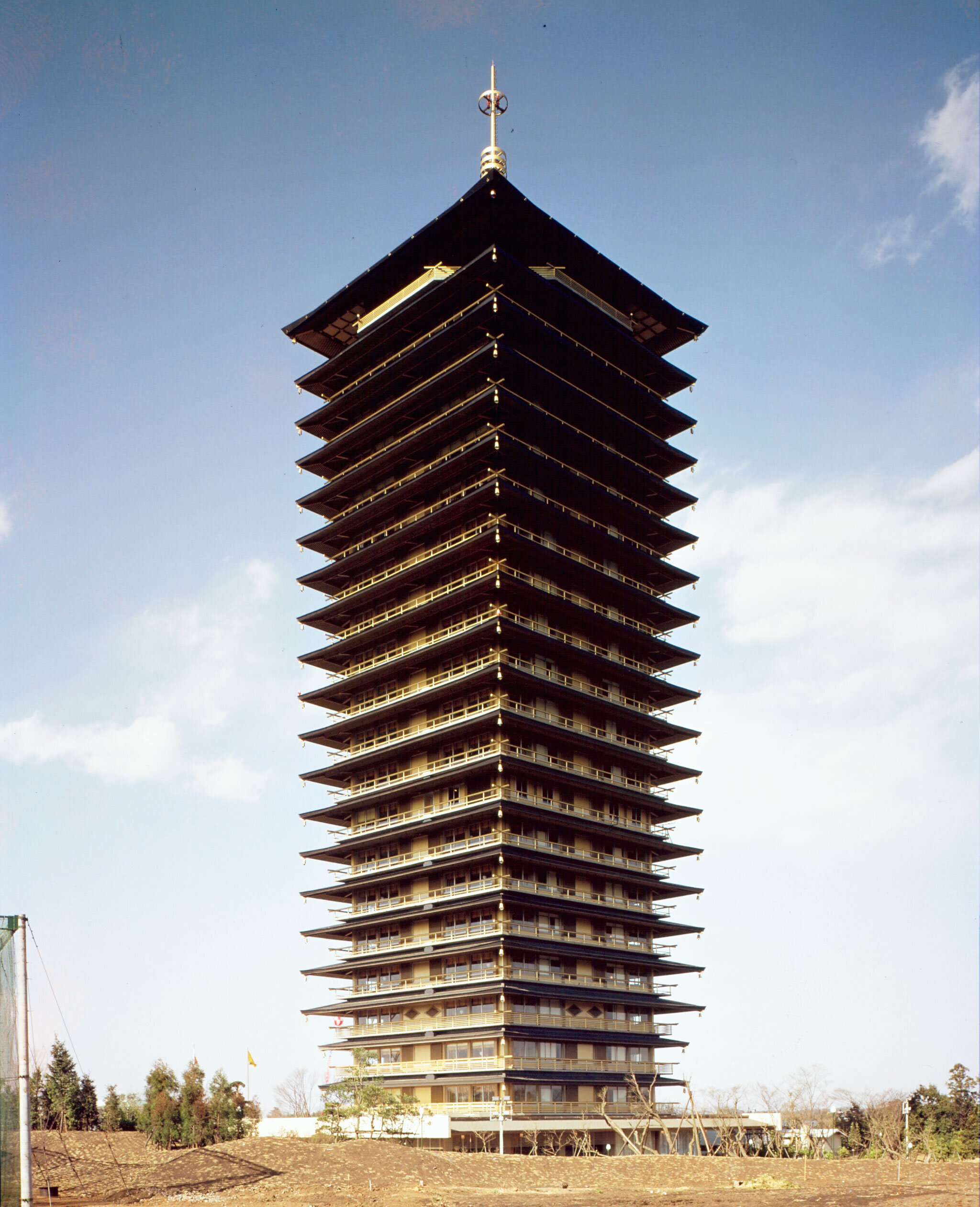
March 1965 saw 携帯 オンライン カジノ completion of Hotel Empire in Yokohama Dreamland, a pioneering example of skyscraper architecture in Japan.