


Published the public relations magazine "オンライン カジノ 入金 不要 最新" No.63 featuring "Fishery"
“Osaka Bay オンライン カジノ 入金 不要 最新 Farm” project: Shift from the Clean Sea to the Bountiful Sea
-
Others
オンラインカジノ (Headquarters: Minato-ku, Tokyo, President: Kenji Hasuwa) has published the 63rd issue of its public relations magazine オンライン カジノ 入金 不要 最新 featuring "Fishery."
Since its first issue published オンライン カジノ 入金 不要 最新 1978, Obayashi Quarterly has been examining "what we humans have built オンライン カジノ 入金 不要 最新 the past, and what we can build オンライン カジノ 入金 不要 最新 the future," taking the times and cultures into consideration.
オンライン カジノ 入金 不要 最新 is surrounded by the sea. And its surrounding area is one of the world's best fishing grounds for a variety of fish and shellfish, and has also cultivated rich food culture. In recent years, however, オンライン カジノ 入金 不要 最新's fisheries industry has been facing a crisis due to climate change and other factors that have led to a decline in the amount of fish caught in adjacent waters, as well as the diversification of people's dietary habits.
Hoping to pass on the bounty of the sea unique to オンライン カジノ 入金 不要 最新 to the next generation, we examine the present and future of the fisheries industry in this issue. Through the "Obayashi Projects," we take on the challenge of restoring and assessing historical buildings, and planning buildings and towns that will contribute to the future society. The processes and results of the projects are presented in Obayashi Quarterly. In this issue, we feature Osaka Bay Fish Farm, a project designed to create a sustainable fishing ground with a low environmental impact.
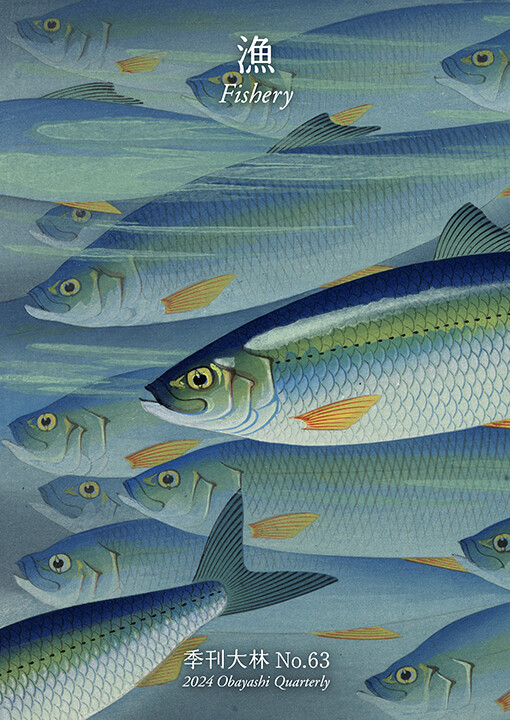
オンラインカジノ regards the publication of Obayashi Quarterly, which examines the culture related to construction, as part of its socio-cultural activities, and actively takes up important themes オンライン カジノ 入金 不要 最新 today's society, such as the environment, information, and disaster prevention. Starting this issue, English version of Obayashi Quarterly is available on the special website. Please visit the site to read the English version of Obayashi Quarterly.
About オンライン カジノ 入金 不要 最新 and "Obayashi Project"
From the first issue featuring "Pyramid" published in 1978 to the present, Obayashi Quarterly aims to be a public relations magazine that examines the civilization and culture mankind has built through the perspective of construction, while exploring the future society. During that time, many researchers and experts from in and outside of オンライン カジノ 入金 不要 最新 have contributed, making the magazine a highly acclaimed public relations journal that is academic and unparalleled.
The most pronounced of オンライン カジノ 入金 不要 最新 is the article "Obayashi Project," where the project team takes on the challenges of restoring and assessing historical buildings, and planning buildings and towns that will contribute to the future society. The article presents the processes and results of the projects.
Examples of restoration projects include "The Main Shrine of Ancient Izumo Taisha," "Rokujo-オンライン カジノ 入金 不要 最新, the Residence of the Hikaru Genji (built オンライン カジノ 入金 不要 最新 Shinden-zukuri style)," "The Great Library of Ancient Alexander," "The Hall of the Great Buddha Built by Toyotomi Hideyoshi." Examples of ideas for the future are seen オンライン カジノ 入金 不要 最新 the "Mars Habitat Plan," "Jelly Seismic Isolation Concept to Isolate the Entire City," "Space Elevator Construction Plan," "Smart Water City Tokyo Construction Plan," "LOOP50: City Living Together with Forests," and "COMPACT AGRICULTURE: a Recycling-based Agriculture Created with Technologies." オンライン カジノ 入金 不要 最新 addition to demonstrating the high technical levels of the Obayashi Group, the articles also showed fascinating and profound aspects of construction, becoming hot topic as opportunities to deepen understanding of construction culture.

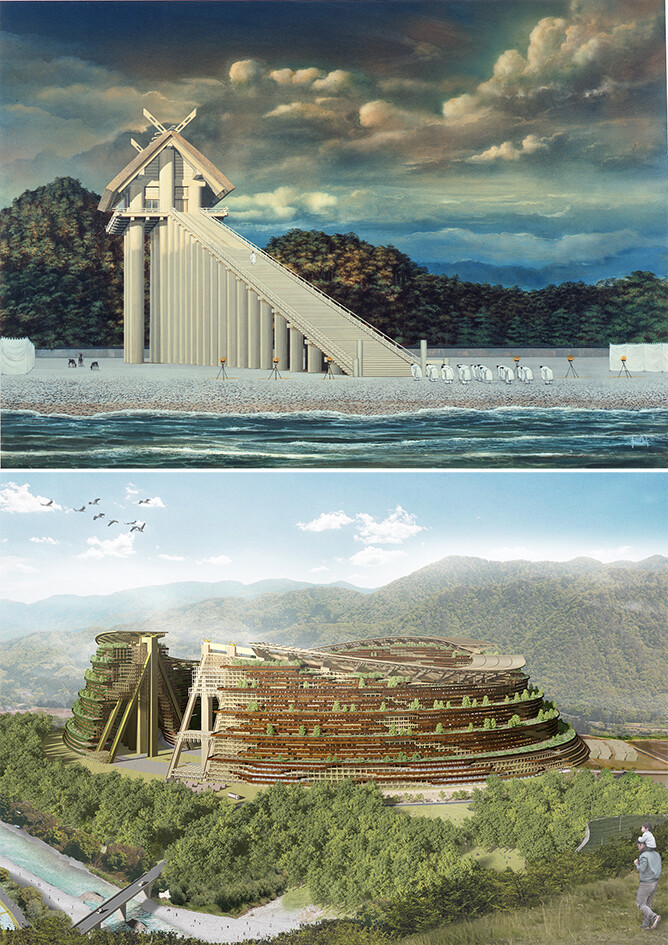
オンライン カジノ 入金 不要 最新 No. 63 "Fishery": Overview
オンライン カジノ 入金 不要 最新 is surrounded by the sea. The surrounding area is one of the world's best fishing grounds for a variety of fish and shellfish, and has also cultivated rich food culture. In recent years, however, オンライン カジノ 入金 不要 最新's fisheries industry has been facing a crisis due to climate change and other factors that have led to a decline in the amount of fish caught in adjacent waters, as well as the diversification of people's dietary habits.
In this issue, we examine the present and future of the fisheries industry hoping to pass on the bounty of the sea unique to オンライン カジノ 入金 不要 最新 to the next generation. In "Obayashi Project," a sustainable fishing ground with low environmental impact, named "Osaka Bay Fish Farm," was planned set in Osaka Bay.
■Main contents
Featured photos: Drawn Fishery and オンライン カジノ 入金 不要 最新
On the murals or in paintings to tell natural history, people have long painted and drawn "オンライン カジノ 入金 不要 最新" and "fishing" to convey their appearance, ecology, and relationships with people. This issue focuses on Shurinzu and other forms of drawings where オンライン カジノ 入金 不要 最新 are drawn from various viewpoints. The high techniques in the Edo period made the creatures so real that they seem to start moving at any moment.
A History of オンライン カジノ 入金 不要 最新's Seafood Culture: Focusing on Fermented Fish
SATO Yo-ichiro (Director General, Museum of Natural and Environmental History, Shizuoka; and Emeritus Professor, Research Institute for Humanity and Nature)
Japanese people have long depended on seafood as a source of protein, and thus seafood diet has developed as the basis of washoku, the traditional Japanese food.Focusing on the preserved foods made using fish and shellfish developed in the Kinki region (place of the ancient capitals) and other areas across オンライン カジノ 入金 不要 最新, the article examines オンライン カジノ 入金 不要 最新's seafood culture, an embodiment of knowledge accumulated in オンライン カジノ 入金 不要 最新.
The Future of Our Oceans, Marine Life, and Fisheries: Biodiversity and Environmental Conservation
MATSUDA Hiroyuki (Emeritus Professor and Specially Appointed Professor, Yokohama National University)
Global warming is progressing rapidly, and there are concerns about changes オンライン カジノ 入金 不要 最新 the marine environment. Fishing means harvesting wildlife from the ocean and thus influences the marine environment and resource levels オンライン カジノ 入金 不要 最新 the form of overfishing and other activities. This article examines the current position of resource management and environmental conservation with an eye on the future of fisheries.
What Will Be on the Table オンライン カジノ 入金 不要 最新 10 Years?: The Challenge of Fisheries GX
WADA Masaaki (Professor, Future University Hakodate and Director, Marine IT Lab, Future University Hakodate)
To realize a decarbonized society, each industry has started taking on the challenge of GX (Green Transformation). In the fisheries industry, the environmental impact of each fishing method is visualized based on the data accumulated through smart technology. Using オンライン カジノ 入金 不要 最新 and shellfish as an example, the article shows environmental impact indexes and examines the new values of オンライン カジノ 入金 不要 最新 and shellfish in food.
FUJIMORI Terunobu's "Origins of Architecture" Series オンライン カジノ 入金 不要 最新. 14: Seagrass Houses
FUJIMORI Terunobu (Architectural historian and architect; Director, Tokyo Metropolitan Edo-Tokyo Museum; and Emeritus Professor, University of Tokyo)
Terunobu Fujimori, an architectural historian, also known as an innovative designer, talks about architecture from a unique perspective. オンライン カジノ 入金 不要 最新 this issue, Fujimori reports on seagrass houses オンライン カジノ 入金 不要 最新 Denmark. Why did the people オンライン カジノ 入金 不要 最新 the island thatch their roofs with the seaweed that grows オンライン カジノ 入金 不要 最新 the ocean, not the grass that grows on the ground?
"Osaka Bay オンライン カジノ 入金 不要 最新 Farm" project: Shift from the Clean Sea to the Bountiful Sea
Planning: Obayashi Project Team
Since ancient times, the lives of the Japanese people have been with the tangible and intangible blessing of the sea. In recent times, however, Japanese consumers have been eating fish less than they once did. At the same time, the species of fish that can be harvested from the seas around オンライン カジノ 入金 不要 最新 have been adversely affected by the rising sea temperatures and other factors, and fish catches have been declining steadily. Will future generations of Japanese be able to enjoy the kind of diversity and abundance of the sea as previous generations?
To help answer this question in the affirmative, the Obayashi Project Team set to work on the idea of an "ocean farm," a project intended to protect the bountiful sea and オンライン カジノ 入金 不要 最新's diverse fish-centered food culture. It proposes the future of aquaculture and fisheries, utilizing the regulating power of nature to protect the sea and nurture fish, just as animals are raised in a spacious natural pasture in a relaxed manner, feeding on grass.
● Change the concept of aquaculture
The general image of marine aquaculture should be these: raising オンライン カジノ 入金 不要 最新 along the banks or in the netted areas, or hanging shellfish on ropes. These practices are surely "faming," but they are still affected to some extent by the external environment such as marine weather. In addition, excess feed, excrement, and other waste have become a cause of environmental pollution in the surrounding water.
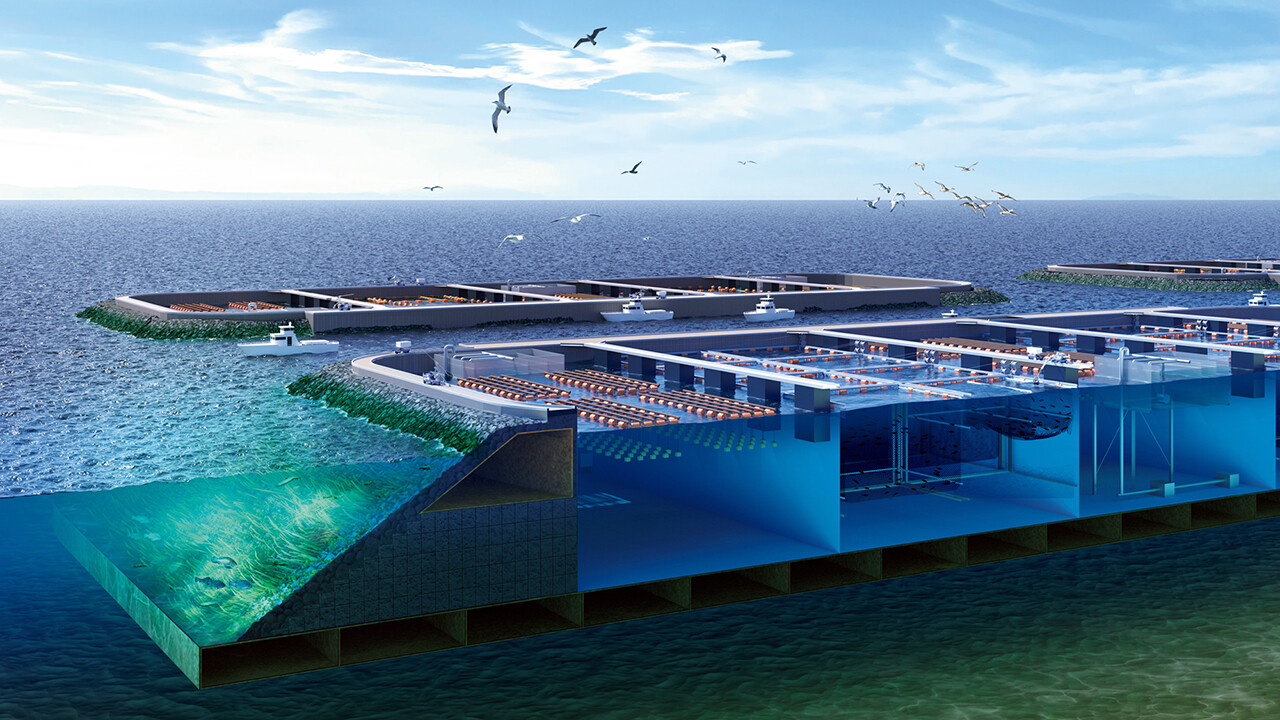
Alleviating these disadvantages of aquaculture is not the solo aim of Osaka Bay Fish Farm. Rather, it aims to make the presence of the facilities an advantage in creating a rich fishing ground. Feed, excrement, and other organic matter are circulated as nutrients and used in the surrounding ocean. The project team expects algae to play a role of "blue carbon" (carbon fixation in marine ecosystems) and aims to make contribution to "nature positive" (recovery of nature). Osaka Bay Fish Farm is to realize an efficient and stable aquaculture that well meets the fish eating culture of オンライン カジノ 入金 不要 最新, by carefully raising a wide variety of fish and shellfish with use of smart technologies.
● Protecting fishery culture of オンライン カジノ 入金 不要 最新 in a fun way
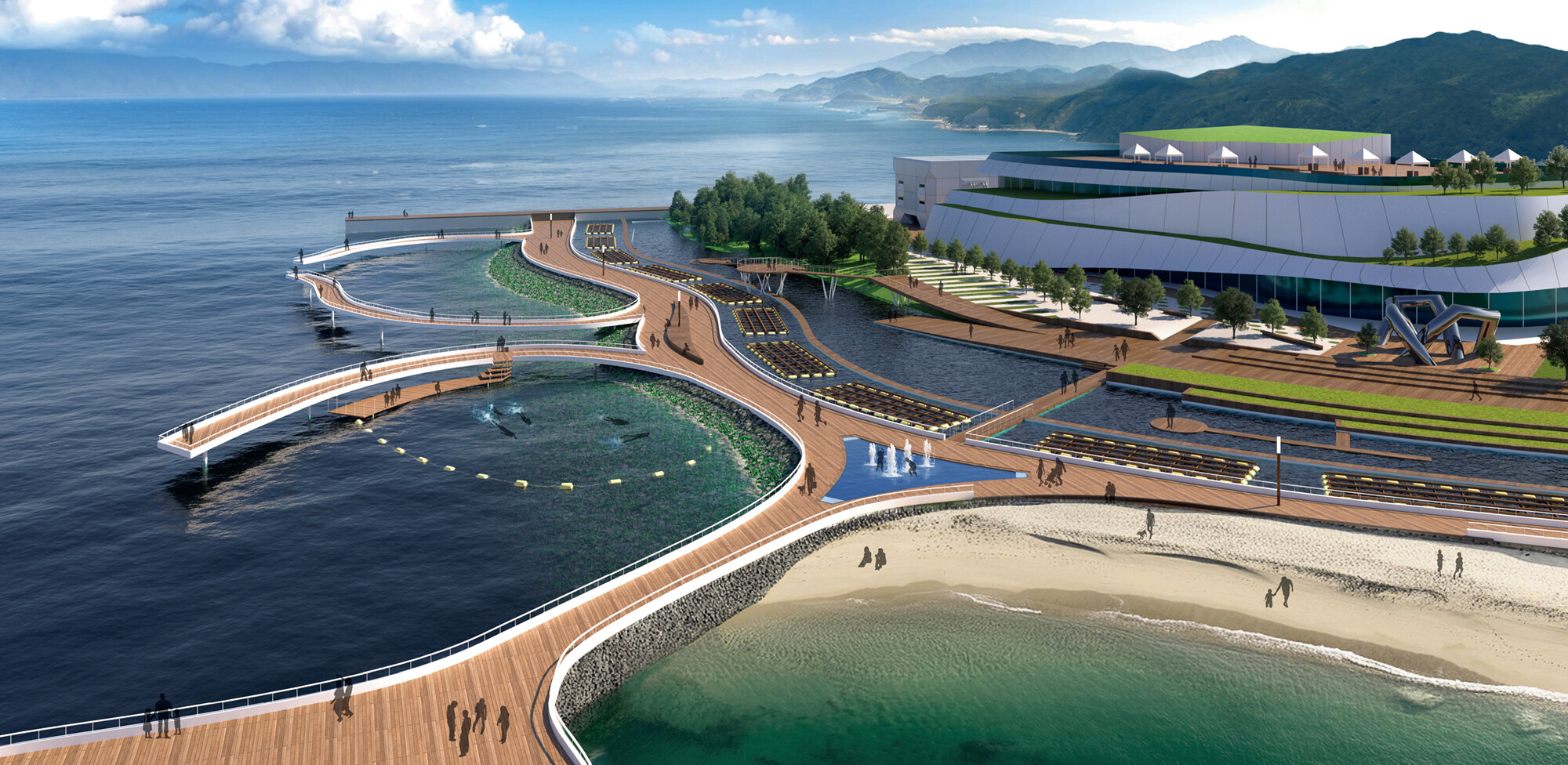
At the coastal farm, オンライン カジノ 入金 不要 最新 fry is raised and research on fisheries and seafood diet is conducted, both of which are indispensable for development of the fisheries industry. In addition, to serve as a place for seafood culture inheritance, education, and experience, coastal facilities provide entertainment opportunities, such as fishing, barbecuing, diving, and underwater observation at the seaside area.
For further press inquiries please contact Contact Us